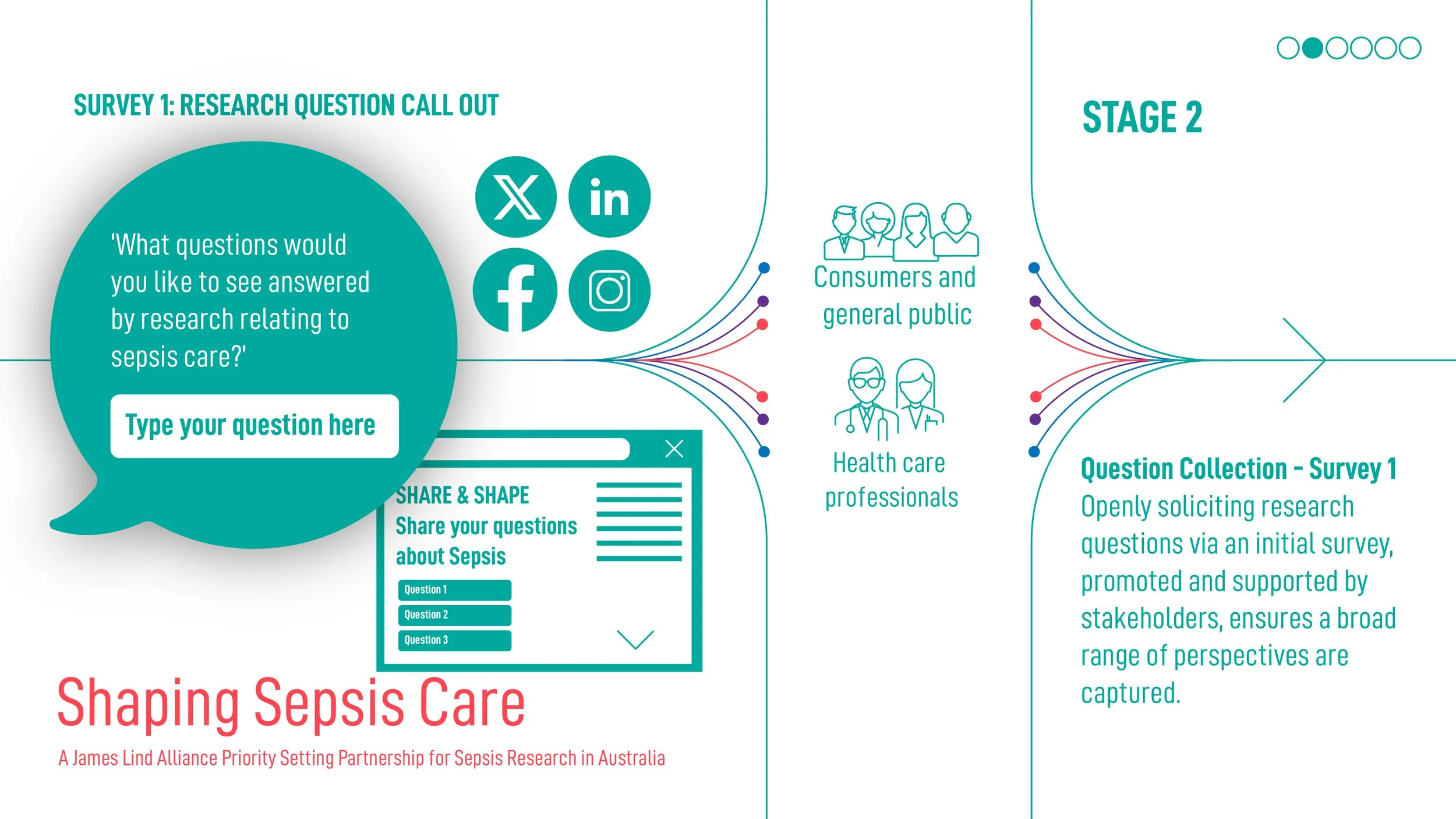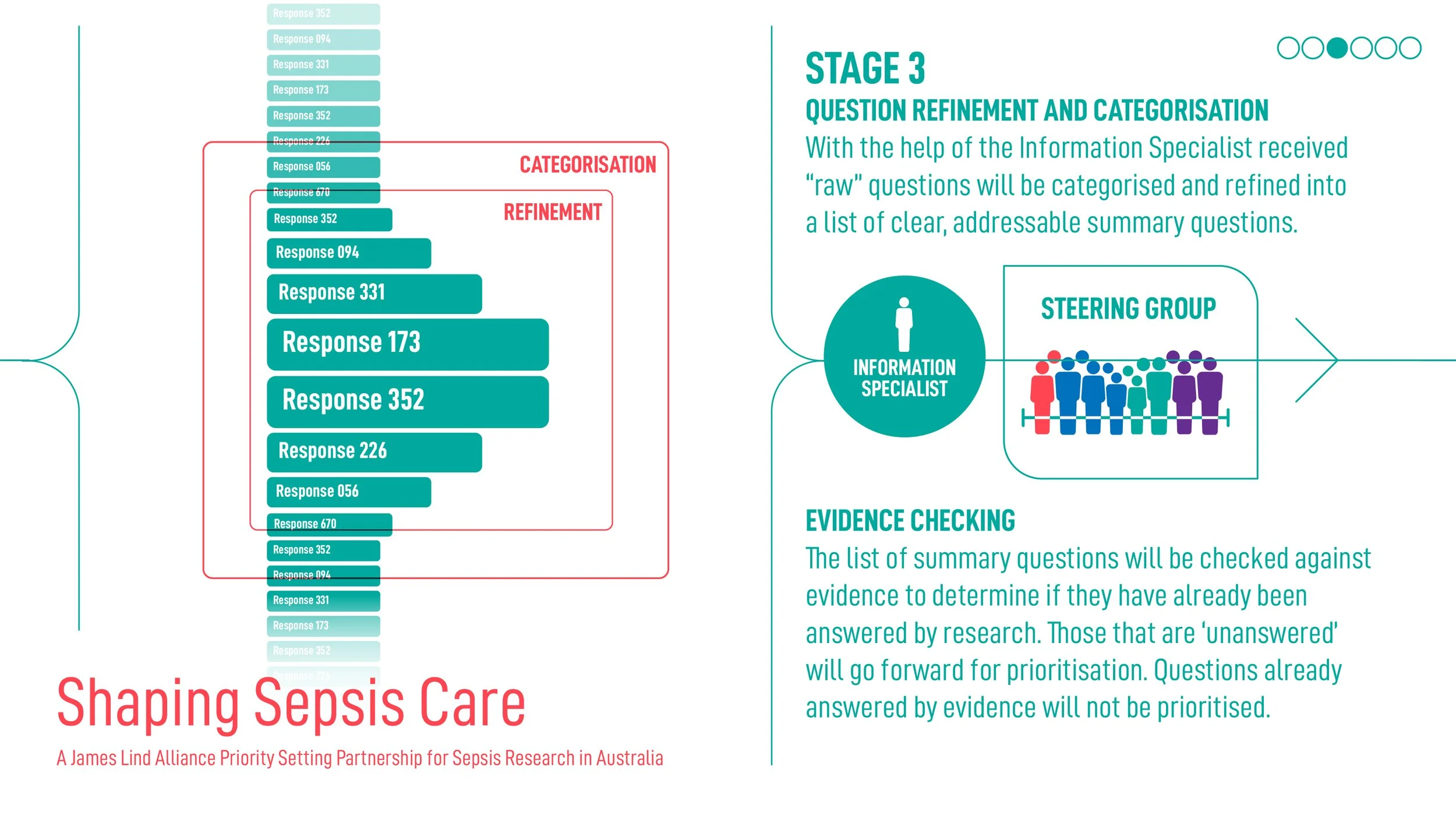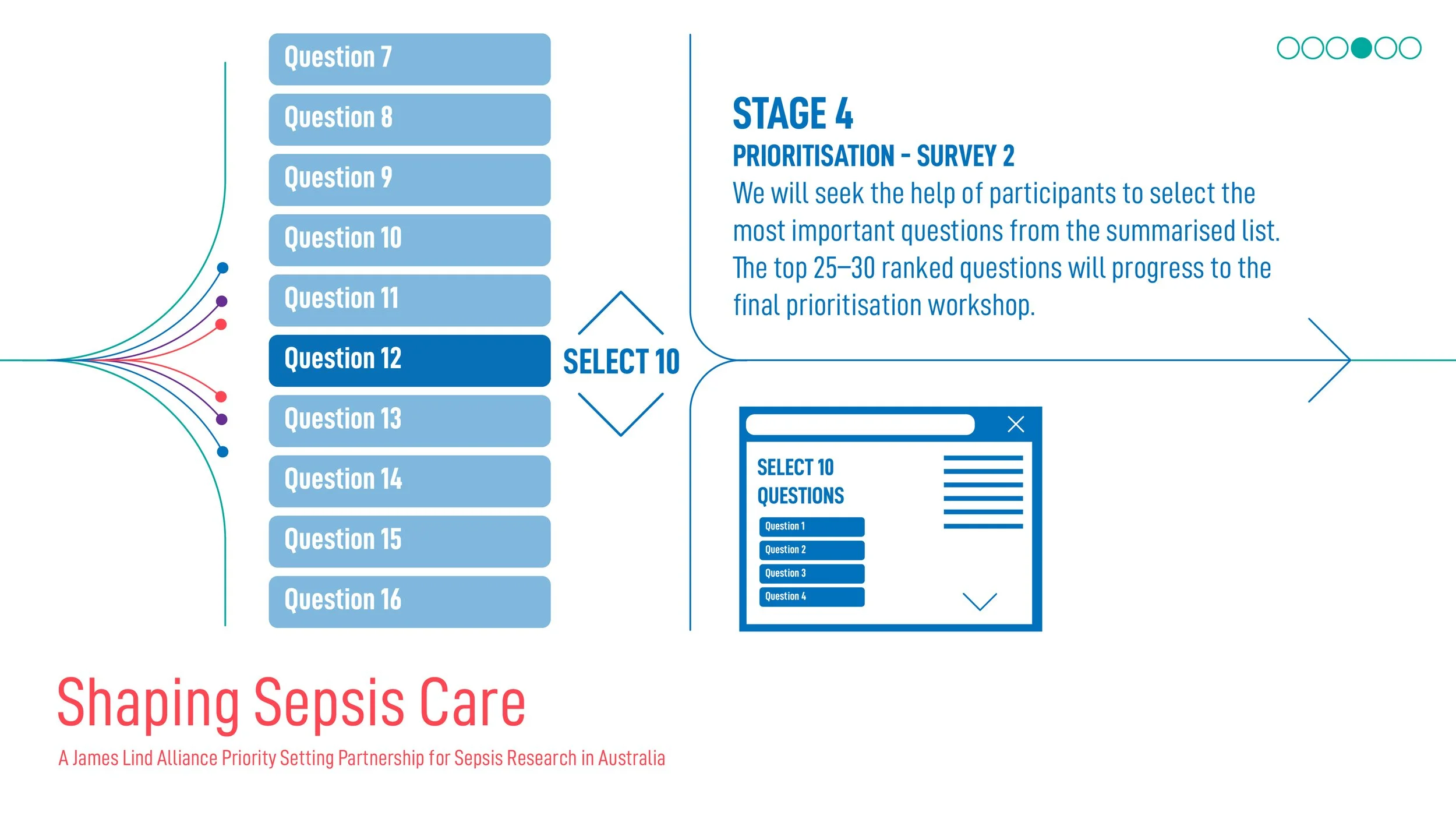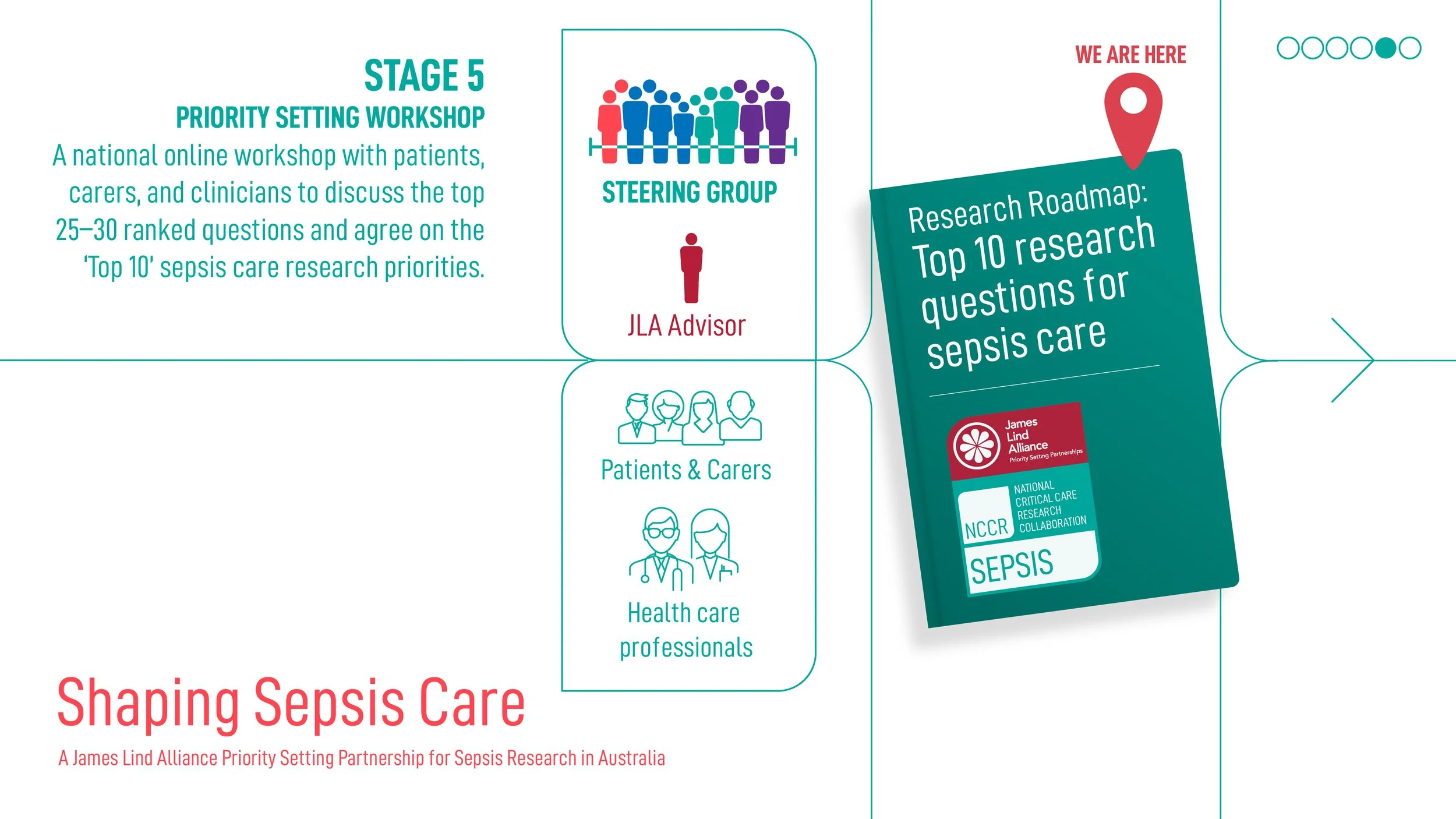
Shaping Sepsis Care is an Australian study that brings together patients, carers, and healthcare professionals to identify and rank the most important unanswered research questions about sepsis. 

Led by the National Critical Care Research (NCCR) Collaboration, it is part of a new Priority Setting Partnership in conjunction with the UK’s James Lind Alliance (JLA).

The aim of Shaping Sepsis Care is to highlight research that could significantly improve sepsis treatment and patient outcomes.

The study is using surveys to determine a Top 10 list of key research priorities in sepsis care to inform the development of the Australian Sepsis Research Roadmap – a guide for researchers and funders to focus on the most impactful studies.

A heartfelt thanks to all our partners and participants who shared, promoted, and completed Survey 1 and 2.

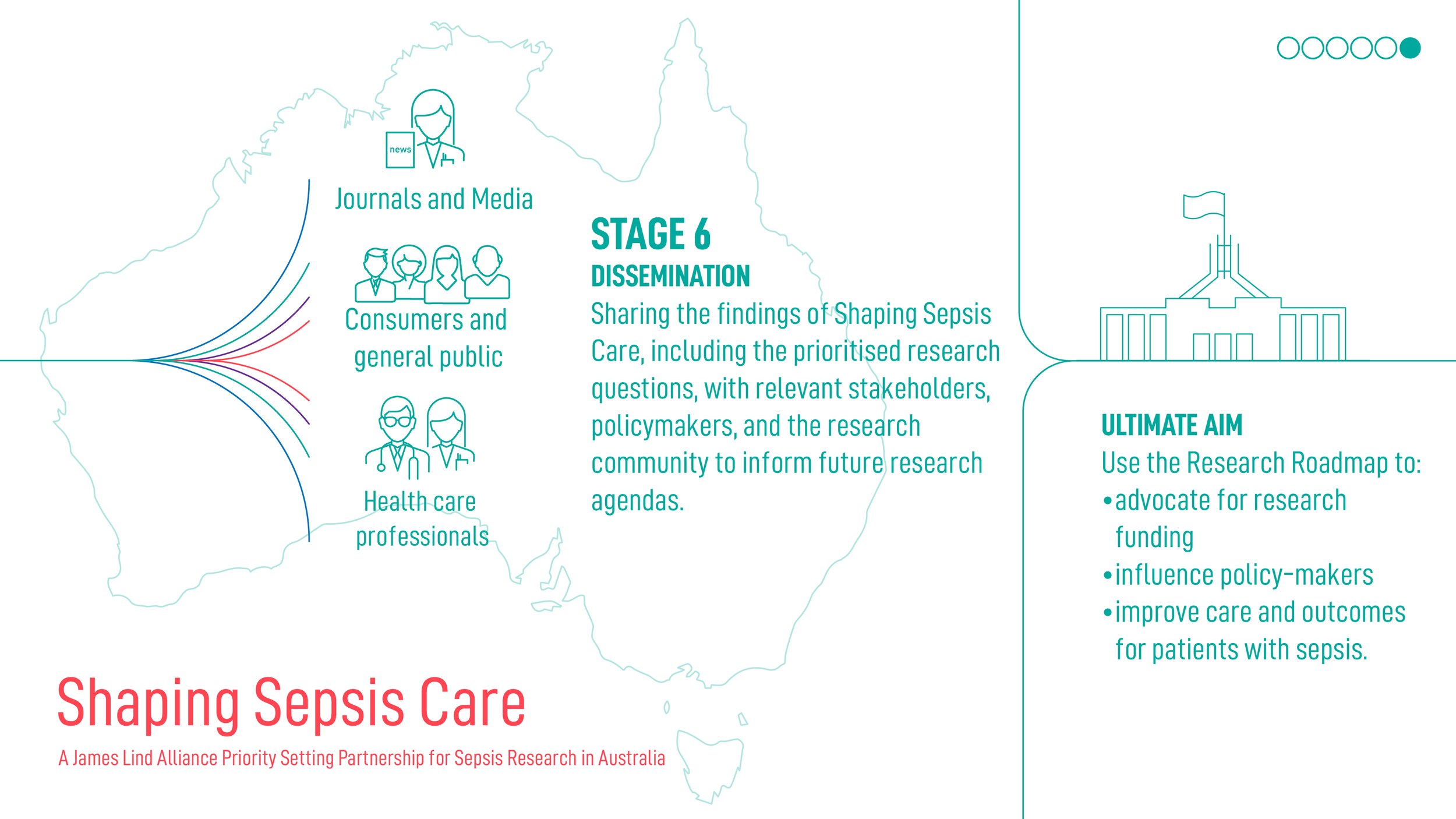
We received more than 1300 questions from Survey 1 and the Survey 2 response has now provided participants’ prioritised unanswered research questions.

These will form the basis of a virtual workshop – scheduled for February 23/24 – bringing together people with lived experience of sepsis, carers and healthcare professionals to agree on Australia’s Top 10 sepsis research priorities.

The final priorities will be shared publicly and used to help guide future research funding where it’s needed most.


find out more about the JLA process
For mobile users rotate to wide view.

 
Artboard 54@2x.png

OBJECTIVES

1

Engage broadly with diverse and representative people and organisations from Australia to identify uncertainties about the recognition, diagnosis, treatment and care of patients with sepsis.

2

Work with former patients and carers who are residing in the community, including those engaged in consumer groups to identify uncertainties about the recognition, diagnosis, treatment and care of patients with sepsis.

3

Identify how to improve care, support and long-term outcomes post sepsis.

4

Define a prioritised list of uncertainties to target for future research via consensus of the priority setting partnership.

5

Use the prioritised list to advocate for research funding, influence policy-makers to publicise the results of Shaping Sepsis Care.

6

Create an Australian Sepsis Research Road Map and inform the work of the National Critical Care Research Collaboration.


CLINICAL LEADS

Kimberley Haines

Associate Professor Kimberley Haines is a NHMRC Emerging Leader Fellow and Principal Research Fellow in the Department of Critical Care, School of Medicine, at The University of Melbourne.

Kimberley is also the Physiotherapy Research Lead and Senior Critical Care Physiotherapist at Western Health, Melbourne, Victoria. She is an international leader in the field of critical care survivorship with methodological expertise in patient and family engagement, co-design, and qualitative research in vulnerable cohorts. She currently leads the icuRESOLVE research program that is focused on advancing the science of peer support and post-ICU care. Associate Professor Haines holds several leadership positions including as an executive member of the ANZICS Clinical Trials Group, Co-Chair of the ANZICS Patient and Family Engagement Working Group, and she serves on other international committees including for the American Thoracic Society Critical Care Assembly.

Alex Poole

Alex is the program manager of NCCR at the Australian and New Zealand Intensive Care Research Centre at Monash University

Alex holds a PhD from the school of medicine at Adelaide University. He has been a Research and Project Manager of critical care research projects and programs with studies published in high impact journals. Alex also has a keen interest in translating research in to practice and has worked in evidence synthesis with the National Clinical Evidence Taskforce

Manoj Saxena

Manoj is a senior intensive care physician (St. George Hospital, Sydney) and a senior lecturer (The George Institute for Global Health, UNSW).

Manoj’s research interest is in large-scale clinical trials that provide robust and reliable patient-centred evidence on thermoregulation and circulatory management in patients with acute serious illness requiring invasive organ support. He has completed a PhD and NHMRC Early Career fellowship on Thermoregulation for Acute Critical illness, including sepsis and acute brain injury.


STEERING GROUP

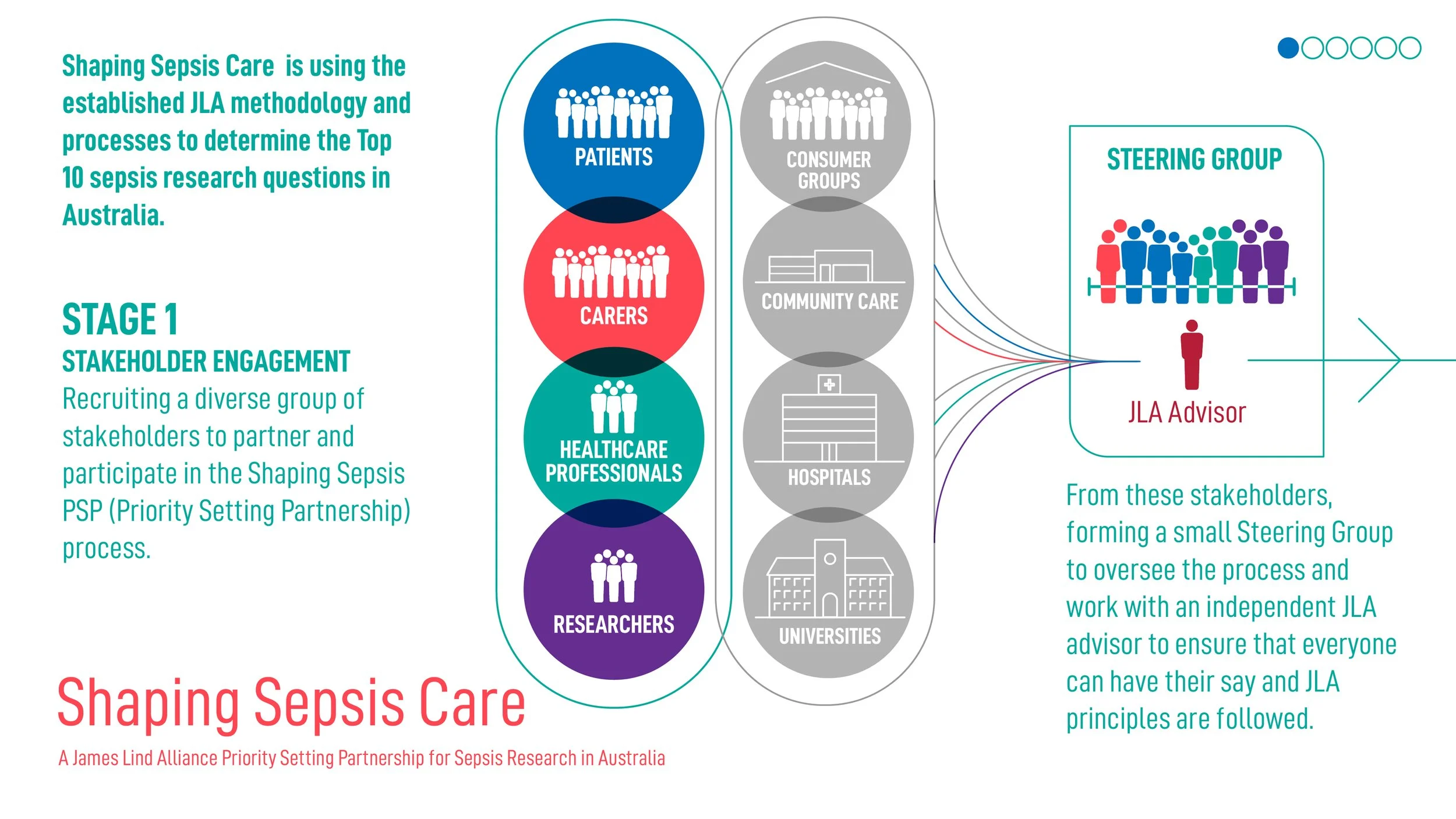
In line with JLA principles, the Steering Group includes representations from:


PATIENT AND CARER REPRESENTATIVES

  • Adult patients

  • Carers

  • Clinicians

  • Researchers (including First Nations People)


We acknowledge the individual and collective expertise of those with a lived experience of critical illness. 


CLINICAL REPRESENTATIVES


PROJECT TEAM


 Frequently asked questions


 PARTNERS

The National Critical Care Research Collaboration acknowledges the assistance of the UK’s Sepsis Priority Setting Partnership team and their generous knowledge sharing and advice from their experience in developing the UK’s top 10 research priorities for sepsis.

This study has been reviewed and approved by the Monash University Human Research Ethics Committee (Project ID: 44680).